



A healthy, lush lawn doesn’t happen by chance — it requires the right care at the right time. One of the most common questions among Australian homeowners is: “When is the best time to mow a lawn?” The answer isn’t the same year-round — it depends on the season, your local climate, and the type of grass in your yard.
Mowing at the wrong time or too frequently can stress your lawn, slow growth, and even encourage weeds or yellowing. On the other hand, mowing at the optimal times ensures a thick, vibrant lawn that thrives through spring, summer, autumn, and winter.
In this guide, we’ll break down how often to mow and the best time to mow a lawn in Australia across the four seasons. We’ll also cover practical tips, local mowing regulations, and even how robotic lawn mowers can simplify your lawn care routine — keeping your grass healthy with minimal effort.
By the end, you’ll have a clear seasonal mowing plan tailored to Australian conditions, so your lawn can look its best year-round.
How Often Should You Mow Your Lawn in Australia?
Understanding how often to mow your lawn is just as important as knowing when to mow. In Australia, lawn growth rates vary dramatically across the seasons, and mowing too frequently or too rarely can harm your grass. A simple guideline many lawn care experts recommend is the one‑third rule: never cut more than one‑third of the grass blade at a time. This keeps your lawn healthy, prevents stress, and encourages thicker growth.
Mowing Frequency by Season
- Spring (September – November): Lawns enter their active growth phase, often needing mowing once a week or even twice weekly if the weather is warm and wet.
- Summer (December – February): Warm-season grasses like Buffalo, Kikuyu, and Couch grow quickly, requiring mowing every 5–10 days depending on rainfall and temperature.
- Autumn (March – May): Growth slows, so mowing intervals can extend to every 10–14 days.
- Winter (June – August): Many warm-season grasses go dormant. Mowing may only be necessary once every 3–4 weeks or less.
Tips for Consistent Lawn Health
- Monitor growth regularly: Adjust your mowing schedule based on how fast your grass is growing.
- Follow the one-third rule: Cutting too much at once can shock the lawn and cause brown tips.
- Keep blades sharp: A clean cut reduces the risk of disease and keeps grass looking tidy.
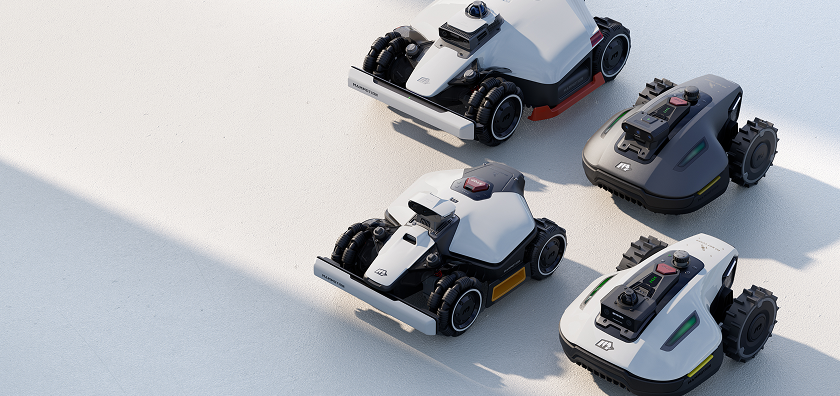
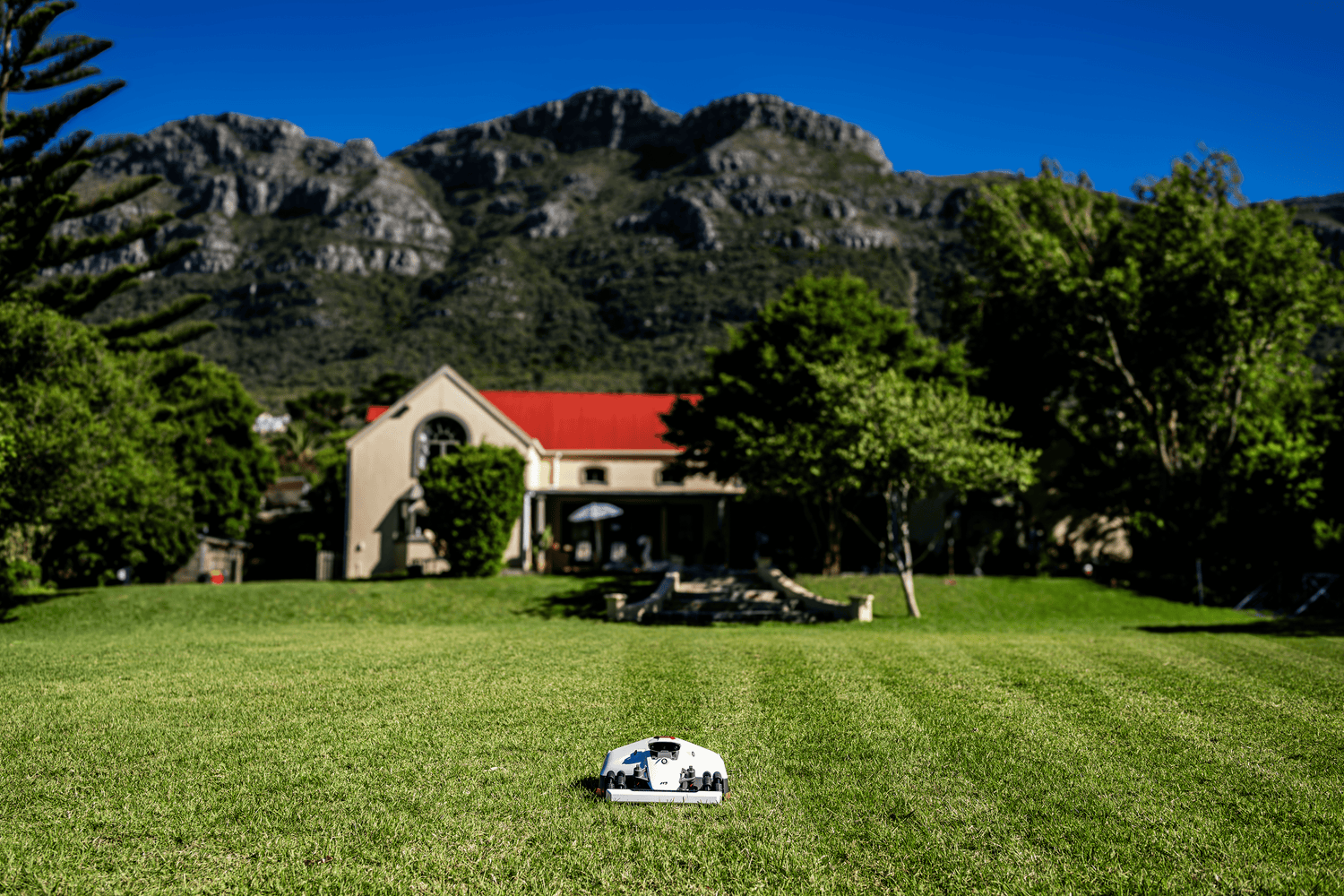
For homeowners who want to take the guesswork out of mowing, robotic lawn mowers can maintain the perfect height automatically. Devices like those from Mammotion allow your lawn to be consistently trimmed throughout the season, even when you’re busy or away.
When Is the Best Time of Day to Mow Your Lawn?
Knowing the best time to mow a lawn goes beyond seasonality — the time of day you mow can have a significant impact on grass health. Mowing at the wrong time can stress your lawn, increase the risk of disease, and even damage your mower if the grass is too wet.
Optimal Mowing Windows
Morning (8–10am):
Mowing in the morning after dew has dried is ideal. The grass is cool, and the moisture left from dew helps the mower blades cut smoothly without tearing. Early morning mowing also reduces heat stress on the lawn.
Late Afternoon (4–6pm):
During hot summer days, late afternoon is another good option. Temperatures are cooler, and the grass has time to recover overnight before the heat of the next day.
What to Avoid
- Midday mowing: The heat is often at its peak, which can stress grass, especially during summer.
- Mowing wet grass: Wet blades can tear unevenly, increase the risk of disease, and make mowing unsafe.
Tip for Busy Homeowners
If your schedule doesn’t always allow mowing during these windows, consider a robotic lawn mower. Robotic mowers, like those from Mammotion, can operate automatically at the best time of day without disturbing your schedule, keeping your lawn healthy and perfectly trimmed.

Seasonal Guide: Best Time to Mow a Lawn in Australia
Australia’s climate varies widely, and lawn growth rates change with the seasons. Understanding these patterns ensures you mow at the best time to mow a lawn, promoting a healthy, lush yard year-round.
🔹 Spring (September – November)
Growth stage: Lawns emerge from winter dormancy and start growing actively. Soil temperatures consistently above 10°C signal it’s time to resume mowing.
Frequency: Once a week or twice weekly if conditions are warm and wet.
Tips:
- The first mow of the season is important — remove any dead grass or debris while keeping the one-third rule in mind.
- Encourage thick growth by maintaining a moderate cutting height.
🔹 Summer (December – February)
Growth stage: Warm-season grasses (Buffalo, Kikuyu, Couch) grow quickly. High temperatures and frequent rain can accelerate growth.
Frequency: Every 5–10 days; fast-growing lawns may need mowing twice weekly.
Tips:
- Avoid mowing in peak midday heat to reduce stress on the grass.
- Raise the mower blade slightly to shade soil and retain moisture.
- Robotic mowers like Mammotion LUBA 2 AWD are especially handy in summer, maintaining a consistent height automatically.
🔹 Autumn (March – May)
Growth stage: Growth slows as temperatures drop. Lawns still need care to prepare for winter dormancy.
Frequency: Every 10–14 days depending on grass type and rainfall.
Tips:
- Keep blades sharp to avoid ragged cuts.
- Remove fallen leaves regularly to prevent smothering.
- Light fertilising during early autumn can help strengthen the lawn before winter.
🔹 Winter (June – August)
Growth stage: Most warm-season grasses go dormant, while cool-season varieties like Ryegrass may grow slowly.
Frequency: Once every 3–4 weeks or less.
Tips:
- Increase cutting height slightly to protect roots and retain insulation.
- Mowing less frequently prevents unnecessary stress during dormancy.
- Robotic mowers can still maintain light trims on dormant lawns without overcutting.
Australia State-Specific Mowing Time Restrictions
While knowing the best time to mow a lawn is essential for healthy grass, it’s equally important to follow local regulations. Many Australian states and councils have restrictions on when you can operate lawn mowers, mainly to reduce noise disturbances for neighbours. Ignoring these rules can lead to fines or complaints.
Typical State Restrictions You Should Know
New South Wales (NSW): What time can I mow my lawn?
"LawAccess NSW" notes that while most noise complaints are handled by city councils, you are free to use a lawn mower during the following hours:
- Monday - Saturday: 7:00 am – 8:00 pm
- Sundays and public holidays: 8:00 am – 8:00 pm
Victoria (VIC): What time can I mow my lawn?
According to the "Environmental Protection Authority of Victoria", you may use a lawn mower during the following hours:
- Monday - Friday: 7:00 am – 8:00 pm
- Weekends and public holidays: 9:00 am – 8:00 pm
Queensland (QLD): What time can I mow my lawn?
The Queensland Government follows the "Environmental Protection Act 1994", which stipulates that you may use a lawn mower during the following times:
- Monday - Saturday: 7:00 am – 7:00 pm
- Sundays and public holidays: 8:00 am – 7:00 pm
South Australia (SA): What time can I mow my lawn?
In accordance with the regulations of the "Environmental Protection Authority South Australia", you may use lawn mowing and tree maintenance equipment from the following organizations:
- Monday - Saturday: 7:00 am – 7:00 pm
- Sundays and public holidays: 9:00 am – 7:00 pm
Western Australia (WA): What time can I mow my lawn?
In Western Australia, you may use lawn mowers during the following times, for a maximum of two hours at a time:
- Monday - Saturday: 7:00 am – 7:00 pm
- Sundays and public holidays: 9:00 am – 7:00 pm
Tasmania (TAS): What time can I mow my lawn?
The Environmental Protection Authority of Tasmania notes that lawn mowers may be used at the following locations:
- Monday - Friday: 7:00 am – 8:00 pm
- Saturday: 9:00 am – 8:00 pm
- Sundays and public holidays: 10:00 am – 8:00 pm
Northern Territory (NT), Australian Capital Territory (ACT): Check your local council bylaws, as times vary.
Tips for Compliance
- Check council rules: Even within states, local councils may have stricter limits.
- Avoid early mornings and late nights: Even if your lawn grows fast, noise complaints can arise.
- Use robotic mowers: Robotic mowers are quieter than traditional machines, allowing you to mow within legal time frames without disturbing neighbours.
By following these state-specific restrictions, you can maintain your lawn responsibly while respecting your community — all while keeping it healthy and well-manicured.
Benefits of Using Robotic Lawn Mowers to Mow the Lawn
Maintaining the best time to mow a lawn throughout the year can be challenging, especially with Australia’s changing seasons and busy lifestyles. This is where robotic lawn mowers are becoming an increasingly popular solution for homeowners.
Why Consider a Robotic Lawn Mower?
1. Consistent mowing schedule:
- Robotic mowers operate on a programmed schedule, ensuring your lawn is always cut at the optimal frequency for each season. This helps maintain steady growth and reduces the risk of overcutting.
2. Healthier lawn over time:
- Frequent, light trimming (rather than occasional heavy mowing) aligns perfectly with the one-third rule. This encourages denser, greener grass and reduces lawn stress.
3. Time-saving convenience:
- Instead of adjusting your routine around the best time to mow a lawn, a robotic mower handles the work automatically — even when you’re not home.
4. Quiet operation:
- Compared to traditional petrol mowers, robotic mowers are much quieter, making it easier to mow within local regulations and avoid disturbing neighbours.
5. Adaptable to seasonal changes:
- Advanced models can be scheduled or adjusted to match seasonal growth patterns, whether it’s rapid summer growth or minimal winter maintenance.
A Smarter Way to Maintain Your Lawn
Modern robotic mowers, such as those from Mammotion, are designed to take the guesswork out of lawn care. By maintaining a consistent cutting height and schedule, they help ensure your lawn always looks neat and healthy—without the need for constant manual effort.
For Australian homeowners looking to simplify lawn maintenance while still following best practices, robotic mowers offer a practical and efficient solution.

Regional & Grass Type Considerations of Mowing
While understanding the best time to mow a lawn is important, Australian lawns aren’t one-size-fits-all. Climate differences across the country—and the type of grass you’re growing—can significantly influence how often and when you should mow.
Climate Differences Across Australia
Australia’s climate ranges from tropical in the north to temperate and cool in the south, which directly affects lawn growth:
Tropical & Subtropical Regions (e.g. QLD, Northern NSW):
- Lawns grow rapidly for most of the year, especially during the wet season. You may need to mow more frequently, even outside of peak summer.
Temperate Regions (e.g. NSW, VIC, WA):
- These areas experience clear seasonal changes, making it easier to follow a structured mowing schedule based on spring growth and winter dormancy.
Cooler Regions (e.g. TAS, ACT, parts of VIC):
- Growth slows significantly in winter, and mowing may be minimal. Cool-season grasses may remain active longer than warm-season varieties.
Common Australian Grass Types
Different grass types grow at different rates, which affects the best time to mow a lawn and how often you should mow:
|
Buffalo Grass |
Kikuyu Grass |
Couch Grass |
Zoysia Grass |
|
|
|
|
Adjusting Your Mowing Strategy
To get the best results:
- Match your mowing frequency to both your local climate and grass type
- Observe your lawn’s growth rather than sticking strictly to a calendar
- Adjust cutting height and frequency as conditions change
For homeowners using robotic mowers, these differences are easier to manage. You can simply adjust the mowing schedule to suit your grass type and regional climate, ensuring your lawn is always maintained at the ideal height.
Expert Tips for Optimal Mowing in Australia
Even if you know the best time to mow a lawn, using the right techniques is essential for keeping your grass healthy, green, and resilient. Small mistakes in mowing can quickly lead to stress, patchiness, or weed invasion. Follow these expert tips to get the best results year-round.
1. Follow the One-Third Rule
Always avoid cutting more than one-third of the grass blade in a single mow. Removing too much at once can shock the lawn, weaken root systems, and lead to brown or yellow patches. Frequent, light mowing is far healthier than occasional heavy cuts.
2. Keep Your Mower Blades Sharp
Dull blades tear grass rather than cutting it cleanly. This creates ragged edges that:
- Increase the risk of disease
- Cause browning at the tips
- Reduce the overall appearance of your lawn
Sharpen your mower blades regularly to ensure a clean, precise cut.
3. Avoid Mowing Wet Grass
Mowing when the lawn is wet—from rain or morning dew—can:
- Lead to uneven cuts
- Cause clumping and blockages
- Spread fungal diseases
Always wait until the grass is dry before mowing for the best results.
4. Adjust Cutting Height by Season
Your mowing height should change throughout the year:
- Higher in summer: Helps shade the soil and retain moisture
- Moderate in spring and autumn: Encourages balanced growth
- Slightly higher in winter: Protects dormant grass and roots
5. Leave Clippings (When Appropriate)
Grass clippings can act as a natural fertiliser by returning nutrients to the soil. As long as they are not too thick or clumped, leaving them on the lawn can improve soil health and reduce the need for additional fertiliser.
6. Mow in Different Directions
Changing your mowing pattern each time prevents soil compaction and stops grass from leaning in one direction. This promotes more upright, even growth.
7. Use Smart Technology for Consistency
Consistency is key to maintaining the best time to mow a lawn. Robotic lawn mowers can help by:
- Maintaining a regular mowing schedule
- Preventing overgrowth
- Ensuring your lawn is always cut at the ideal height
Modern options like Mammotion make it easier to apply these best practices automatically, especially for homeowners with busy schedules.
Conclusion
Finding the best time to mow a lawn in Australia isn’t about sticking to a fixed schedule—it’s about understanding how your lawn grows throughout the year. From the rapid growth of spring and summer to the slower pace of autumn and winter, adjusting your mowing frequency and timing is key to maintaining a healthy, vibrant lawn.
By following seasonal guidelines, mowing at the right time of day, and adapting to your local climate and grass type, you can avoid common issues like lawn stress, weeds, and yellowing. Just as importantly, staying aware of local mowing time restrictions ensures you’re caring for your lawn responsibly while respecting your neighbours.
For those looking to simplify lawn care, modern solutions like robotic mowers can make a significant difference. Products from Mammotion help maintain consistent mowing schedules, supporting healthier grass with minimal effort.
Ultimately, the key is consistency and observation. Pay attention to how your lawn responds, adjust your mowing habits as needed, and you’ll be rewarded with a thick, green lawn all year round.
