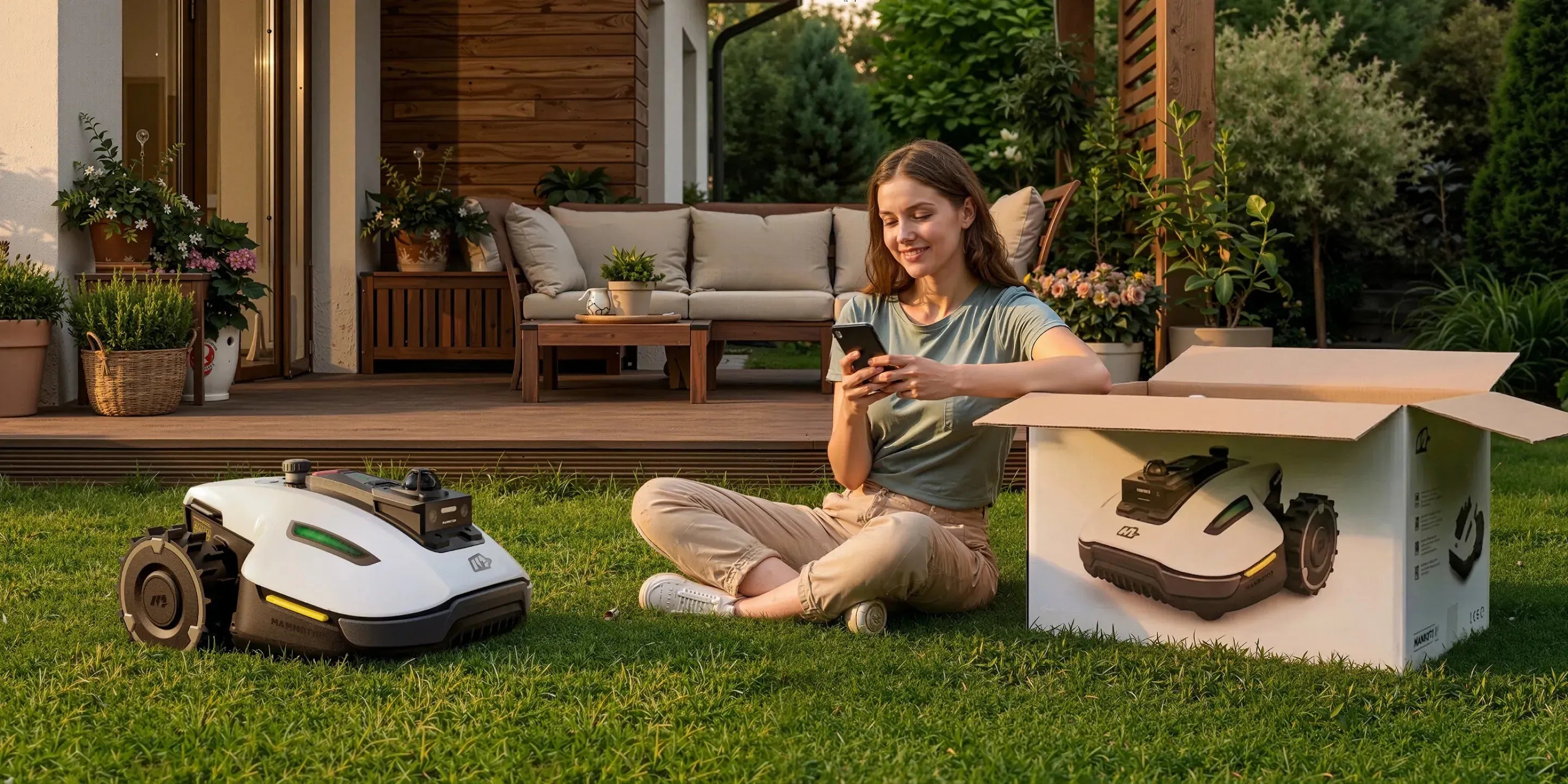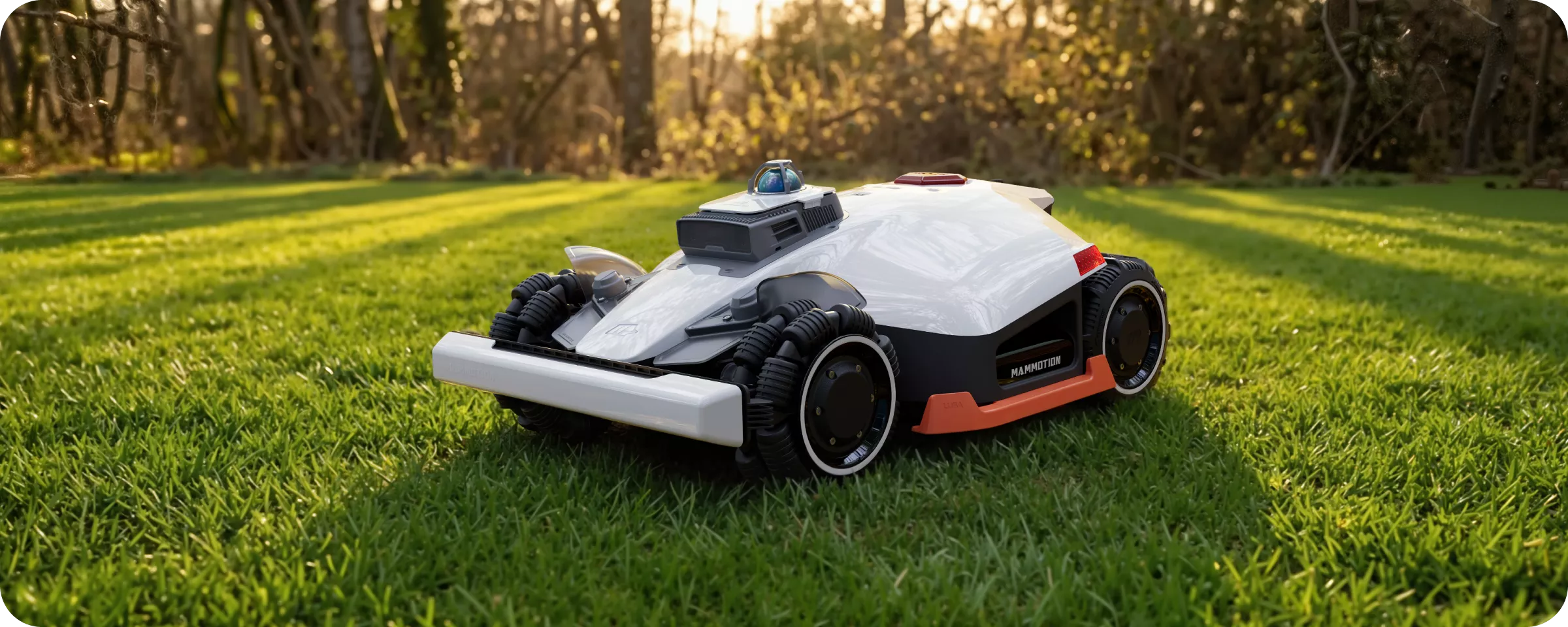


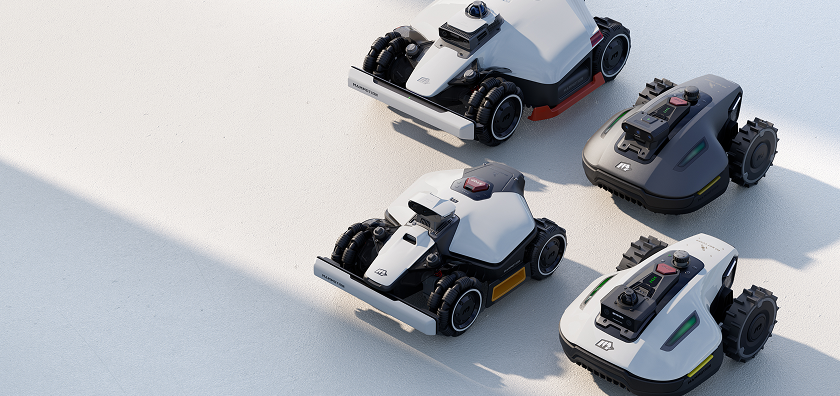




Mammotion LUBA 3 AWD has been recognised with the 2026 SEAL Sustainable Product Award, highlighting its contribution to more efficient and environmentally responsible innovation in robotic lawn care.
The SEAL Award recognises products that demonstrate measurable impact in sustainability, innovation, and responsible design across their respective industries. This recognition places LUBA 3 AWD among a select group of technologies acknowledged for advancing practical sustainability in real-world applications.
This award reflects the growing importance of intelligent automation in outdoor maintenance, where performance, efficiency, and environmental responsibility are increasingly interconnected.
What the SEAL Sustainable Product Award Means
The SEAL (Sustainability, Environmental Achievement & Leadership) Awards are designed to recognise companies and products that demonstrate a clear and measurable commitment to sustainability and responsible innovation.

Rather than focusing on marketing claims or conceptual ideas, the SEAL Awards evaluate real-world impact—looking at how a product performs in terms of environmental efficiency, resource usage, and long-term contribution to more sustainable practices within its category.
In the context of consumer and outdoor technology, this includes considerations such as energy efficiency, product lifecycle design, operational impact, and how effectively a solution reduces unnecessary environmental burden during everyday use.
For robotic lawn care specifically, this type of recognition highlights technologies that go beyond automation alone, and instead contribute to more efficient, lower-impact approaches to maintaining outdoor spaces.
Within this framework, the SEAL Award serves as an independent validation of a product’s role in advancing more sustainable standards across its industry.
Why do Robotic Mowers Rarely Win the Sustainable Award?
Robotic lawn mowers can support more sustainable lawn care, but they rarely win sustainability awards because most awards are not measure “automation convenience” — they are measuring proven, holistic environmental impact across a full product lifecycle and usage system.
1. “Electric” is no longer enough to qualify as “sustainable”
Most robotic mowers are battery-powered, so they already tick the basic box of:
- no direct fuel emissions
- lower noise than petrol mowers
But sustainability awards (like SEAL or similar programs) go beyond electrification. They look for incremental environmental improvement, not just “better than petrol”.
So the baseline expectation is already met — meaning robots don’t automatically stand out.
2. Limited measurable lifecycle data at scale
Many robotic mower brands do not yet have:
- long-term durability data (5–10 year lifecycle proof)
- large-scale independent lifecycle assessments (LCA)
- verified end-of-life recycling impact
Without strong lifecycle evidence, it’s difficult to prove: “this product reduces total environmental impact across its full lifespan.”
Awards tend to favour products with very clear, auditable sustainability metrics.
3. Efficiency gains are often incremental, not transformational
Robotic mowers improve efficiency through:
- path optimization
- reduced human labour
- lower fuel substitution
But compared to sectors like:
- renewable energy
- building materials
- transport electrification
…the absolute environmental impact reduction per unit is relatively modest.
Awards often prioritise categories where impact is larger and easier to quantify.
4. “Rebound effects” complicate sustainability claims
Some evaluations consider indirect effects, such as:
- multiple devices per household (higher manufacturing footprint)
- continuous operation vs occasional mowing
- electronic waste concerns from short upgrade cycles
Even if operational emissions are lower, the total system impact is harder to simplify into a “clear win”.
5. Category maturity is still evolving
Robotic lawn mowing is still a relatively young category compared to:
- HVAC systems
- automotive
- energy infrastructure
Sustainability frameworks for this category are still developing, so:
- benchmarks are inconsistent
- evaluation criteria vary
- fewer products are benchmark leaders yet
Robotic lawn mowers don’t usually win sustainability awards not because they are “not sustainable”, but because:
Sustainability awards reward proven, system-level environmental leadership, while most robotic mowers currently deliver moderate, usage-level efficiency improvements rather than category-defining sustainability breakthroughs.
Why Mammotion LUBA 3 AWD Win SEAL Sustainable Product Award
LUBA 3 AWD was selected for the 2026 SEAL Sustainable Product Award because it demonstrates a practical and system-level approach to sustainability in robotic lawn care, going beyond electrification to address efficiency, safety, and long-term environmental impact in real-world use.

1. Precision Navigation That Reduces Energy Waste
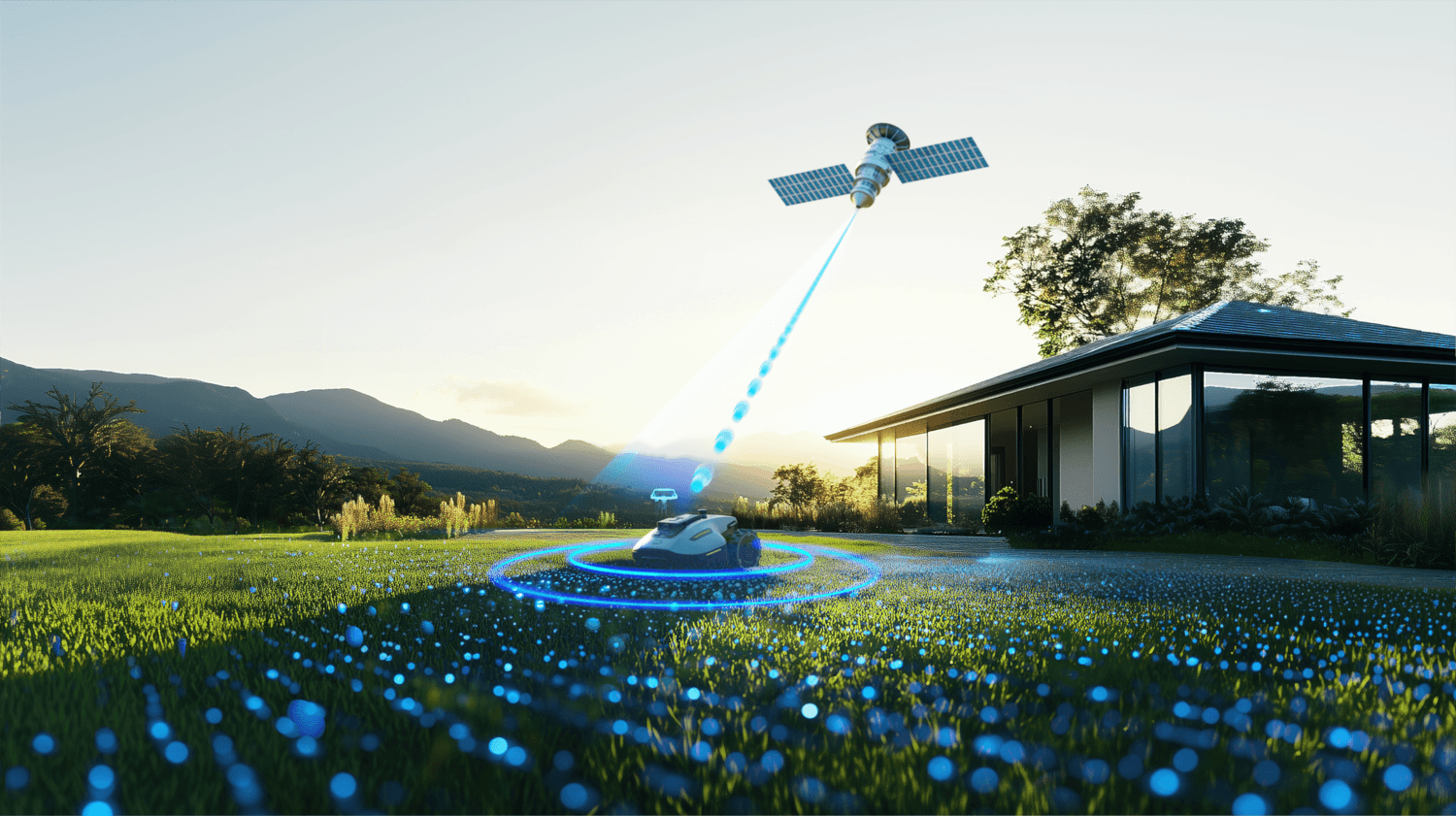
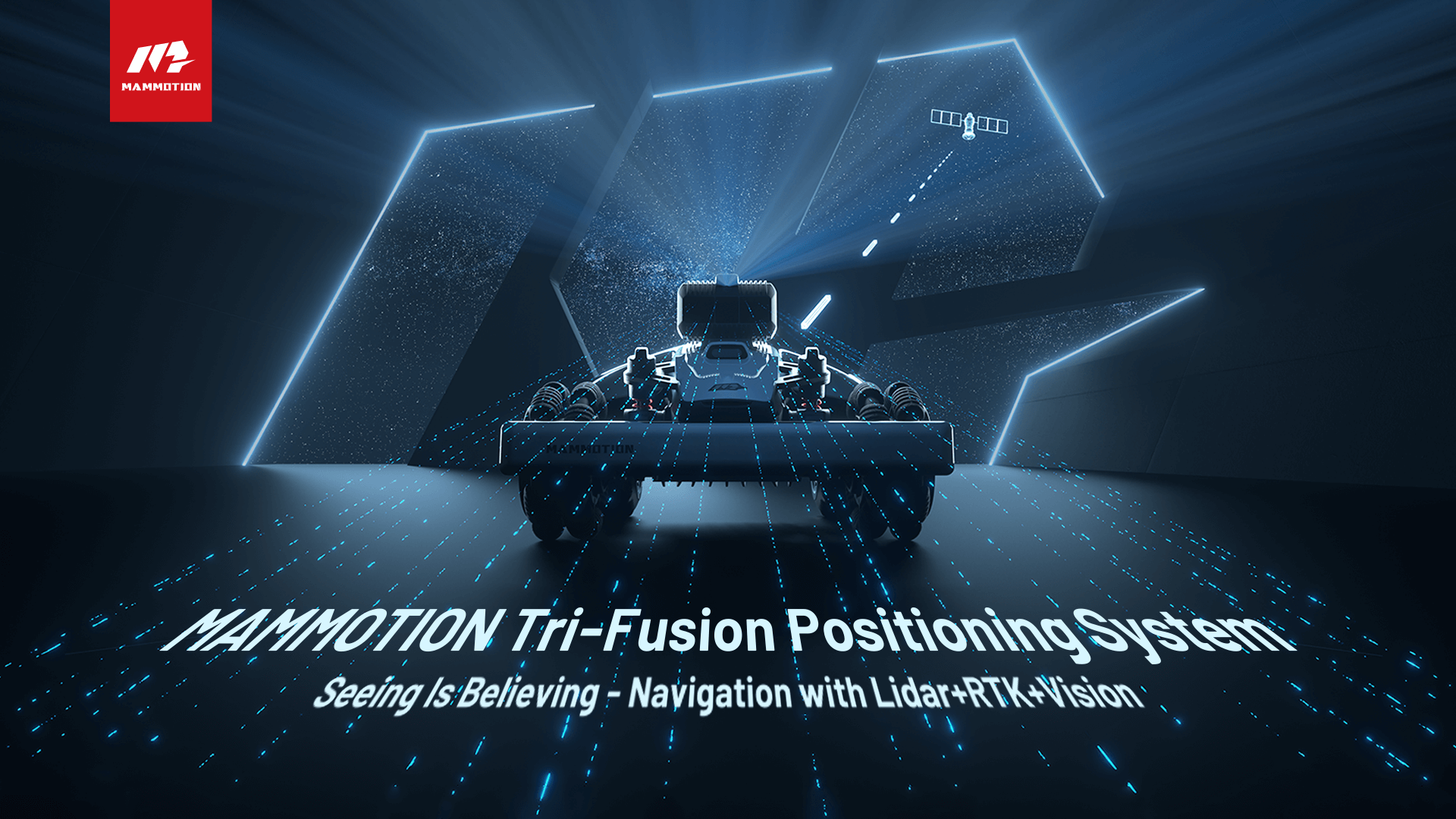
LUBA 3 AWD uses a Tri-Fusion positioning system that combines 360° LiDAR, RTK positioning, and AI vision to achieve centimeter-level accuracy in outdoor environments.
This allows the mower to follow more structured and efficient mowing routes, reducing unnecessary overlap and improving overall path efficiency. As a result, energy consumption is optimized while maintaining consistent coverage across the lawn.
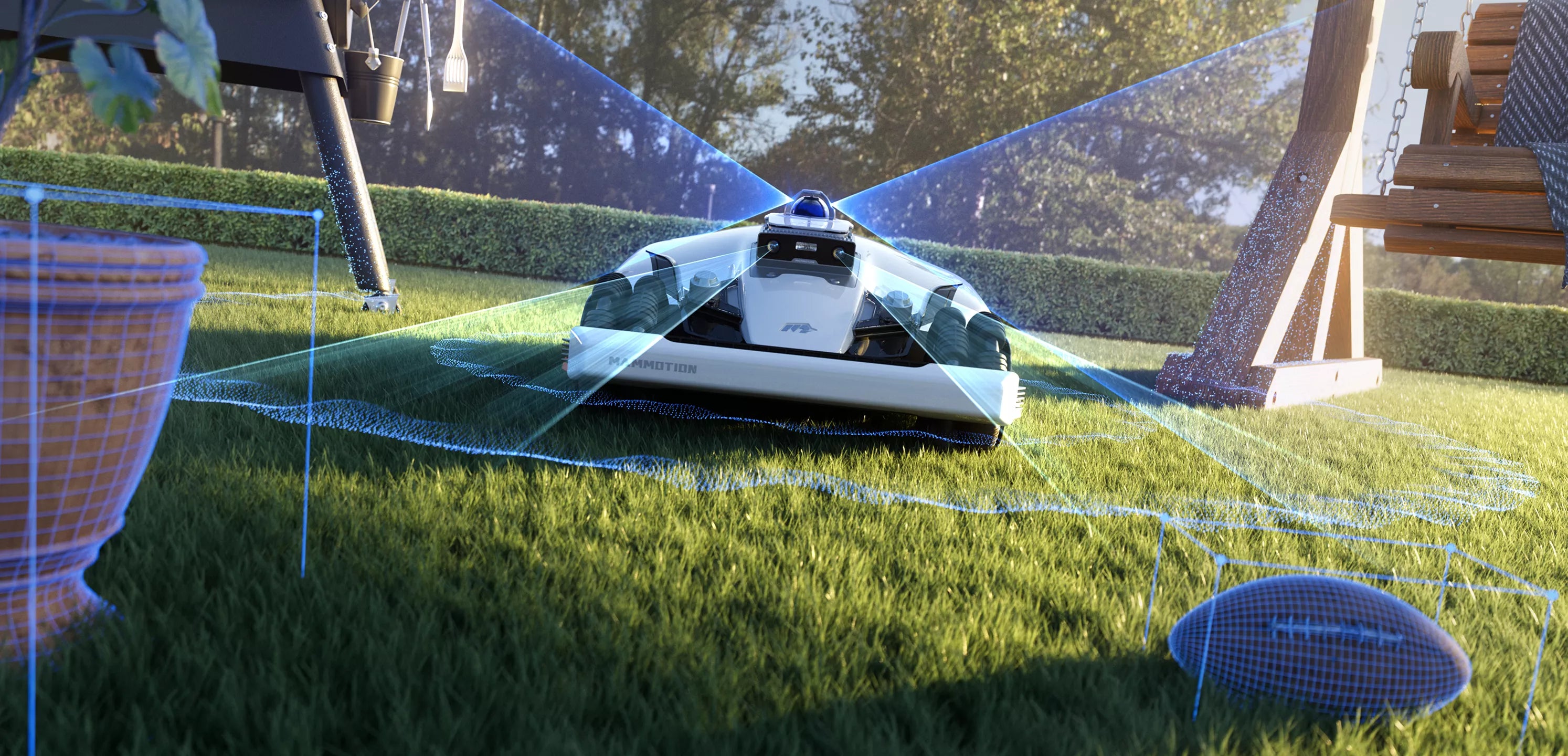
2. Smarter Obstacle Detection For Safer Lawns
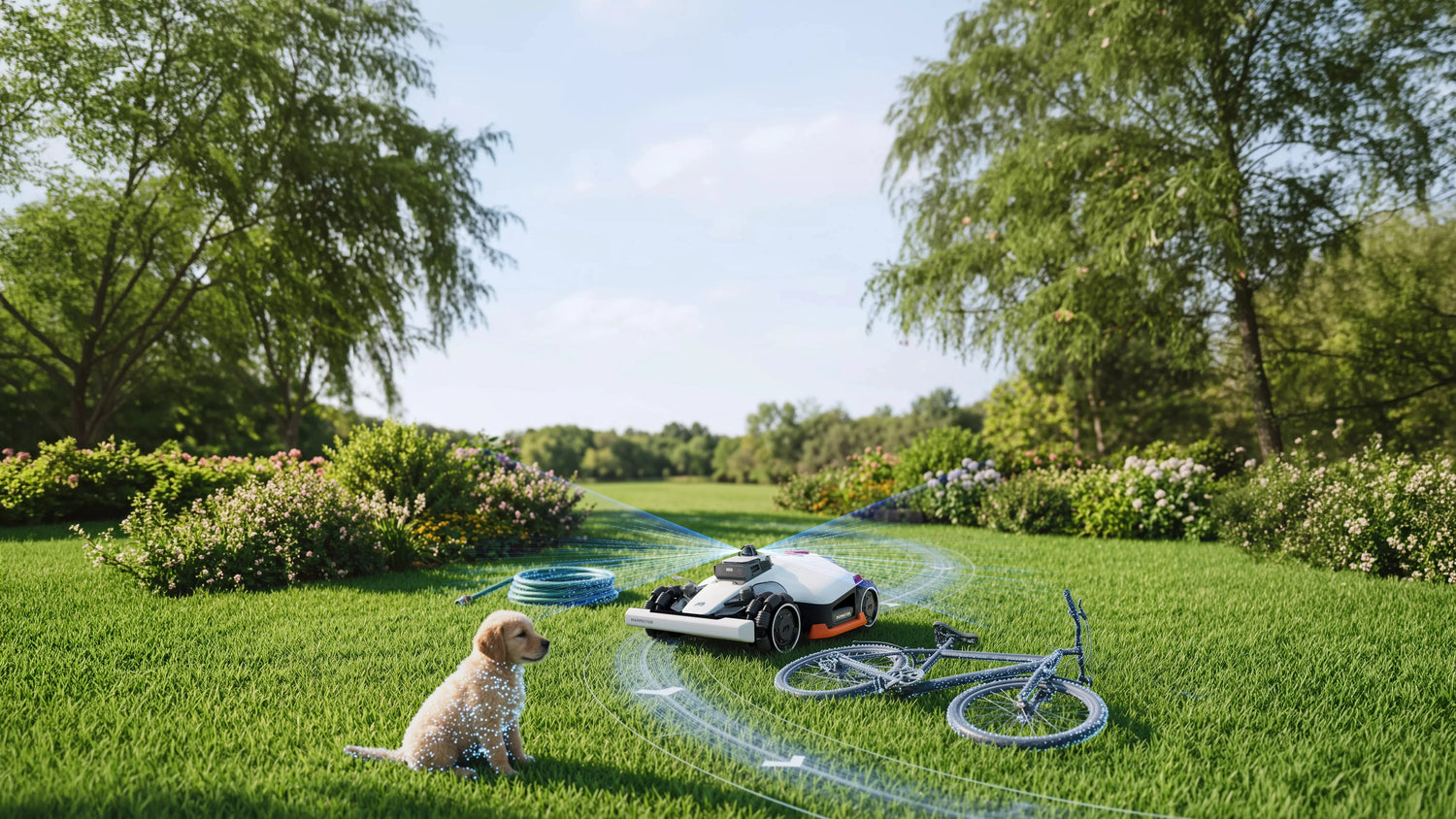
The system is designed to recognise and respond to a wide range of real-world garden objects using AI-powered vision technology, capable of identifying over 300 types of obstacles in outdoor environments.
This includes common backyard elements such as pets, toys, garden furniture, and smaller unexpected objects that may appear during operation.
By improving real-time environmental awareness, the mower can operate more safely in shared outdoor spaces where people, animals, and nature coexist.

3. Quiet, Low-Emission Operation For Residential Areas
As a fully electric robotic system, LUBA 3 AWD eliminates direct fuel emissions associated with petrol-powered lawn equipment.
Combined with optimized movement planning that reduces unnecessary overlap, the system supports lower overall energy usage while operating at a significantly reduced noise level compared to traditional mowing methods.
4. Built For Long-Term Outdoor Use
Sustainability is not only defined by energy efficiency, but also by product longevity and lifecycle impact.
LUBA 3 AWD is engineered for durable outdoor performance, helping reduce the need for frequent replacement cycles and lowering long-term material waste associated with lawn care equipment.
In this way, durability becomes part of its overall sustainability value—supporting longer product life while reducing environmental impact over time.
In this sense, the recognition reflects more than product capability alone—it signals how next-generation robotic lawn care is beginning to meet higher sustainability standards through practical, measurable improvements in everyday use.
A Milestone for Mammotion — and Robotic Mower Industry
LUBA 3 AWD represents a new generation of robotic lawn care designed around efficiency, precision, and long-term outdoor performance. Its recognition with the 2026 SEAL Sustainable Product Award highlights the growing importance of intelligent automation in creating more sustainable approaches to lawn maintenance.
For those interested in exploring how advanced navigation, AI-powered obstacle detection, and all-wheel-drive capability come together in a single system, more details about Mammotion LUBA 3 AWD are available on the official product page.
Did you like this article? Add us as a preferred source to find us more easily on Google.