






Australian summers are tough on lawns. Long days of intense sunlight, high UV levels and soaring temperatures push grass into its fastest growth phase — while at the same time placing it under the most stress it will face all year.
During this peak growth period, it’s common for lawns to look healthy on the surface while quietly struggling underneath. Heat and evaporation dry out the soil, roots become stressed, and simple mistakes like mowing too short or leaving grass too long can quickly lead to thinning, yellowing or permanent damage.
Unfortunately, many lawn problems in summer aren’t caused by the heat alone — they’re caused by how we respond to it. Drastic trims, irregular mowing schedules and well-intentioned “catch-up cuts” often do more harm than good, especially during heatwaves.
The good news? With the right summer lawn care approach — particularly smarter mowing habits — it’s possible to keep your lawn resilient, greener and healthier even through Australia’s hottest months. In this guide, we’ll break down the biggest summer lawn care mistakes, explain what your lawn actually needs in hot weather, and explore how modern solutions like robotic lawn mowers can help remove the guesswork from summer lawn maintenance.
Why Australian Lawns Struggle Most in Summer
Australian lawns face several challenges during the hot months. Understanding these pressures helps homeowners make smarter care decisions:
- High Temperatures and Intense Sunlight – Prolonged heat and strong UV exposure stress grass, increase evaporation, and dry out roots.
- Rapid Growth – Summer encourages fast growth, which can mask underlying stress. Lawns may look healthy on the surface while roots are weakened.
- Watering Challenges – Both overwatering and under-watering can harm grass. Dry soil leads to root stress, while excess water can cause fungal issues.
- Mowing Mistakes – Cutting too short or performing drastic trims all at once can shock the lawn and damage growth.
- Different Grass Type Sensitivity – Couch, kikuyu, and buffalo have different heat tolerances. Knowing your lawn type is key to preventing stress and damage.
By recognising these factors, homeowners can adopt smarter, consistent care that keeps lawns greener and healthier throughout summer.

The 3 Biggest Summer Lawn Care Mistakes Australians Make
Summer lawn damage is often caused less by heat itself and more by how lawns are managed during hot weather. These are the three most common mistakes Australian homeowners make — and why they cause problems.
1. Cutting the Lawn Too Short
Scalping the lawn is one of the fastest ways to stress grass in summer. When grass is cut too short, the soil beneath is exposed to direct sunlight, which dramatically increases evaporation. This dries out the root zone and makes it harder for the lawn to recover during heatwaves.
Short cuts also weaken the grass’s root system. With less leaf surface to support photosynthesis, roots shrink rather than grow deeper, reducing the lawn’s ability to access moisture and nutrients. The result is thinning turf, increased browning, and greater vulnerability to pests and weeds.
2. Letting the Lawn Grow Too Long
At the other extreme, allowing grass to grow too long before mowing can be just as damaging. Heavy trims remove too much leaf material at once, shocking the grass and interrupting healthy growth. This often leads to yellowing, patchiness, and slower recovery.
Long grass also encourages weeds and reduces airflow at ground level, creating ideal conditions for fungal disease — a common issue during humid Australian summers.
3. Doing One Big Cut Instead of Gradual Trimming
Many homeowners attempt to “catch up” with one big mow, but this breaks the one-third rule — never removing more than one-third of the grass height at a time. Large cuts place immediate stress on the lawn, causing visible yellowing and weakening the turf during the hottest part of the year.
Gradual, consistent trimming is far safer for summer lawns — and it’s here that smarter mowing methods start to make a real difference.
The Right Way to Mow Your Lawn in Summer
Summer lawns don’t need aggressive mowing — they need consistency.
In hot weather, how you mow is just as important as how often you mow. Getting the basics right can dramatically reduce stress and help your lawn stay greener through extreme heat.
1. Maintain the Ideal Mowing Height
During summer, grass should be kept slightly longer than in cooler seasons. Taller blades shade the soil, reduce evaporation, and protect roots from heat stress. Cutting too low exposes the ground to direct sunlight, drying out the soil and weakening the lawn’s ability to recover.
As a general rule, it’s better to raise your mower height in summer rather than lower it. A slightly longer lawn is far more resilient during heatwaves and periods of low rainfall.
2. Follow the One-Third Rule
The one-third rule is simple but essential: never remove more than one-third of the grass blade in a single mow. Cutting too much at once shocks the lawn, causes yellowing, and slows recovery — especially in high temperatures.
Frequent, light mowing keeps the lawn healthy by maintaining a consistent height without stressing the grass. Homeowners are encouraged to use robotic lawn mowers, which allow for frequent trimming. This ensures a healthy lawn while saving you time.
3. Mow at the Right Time of Day
Timing matters in summer. Mowing during the hottest part of the day adds unnecessary stress and increases moisture loss. Early morning or late afternoon is best, when temperatures are cooler and the lawn can recover more easily.
By focusing on height, timing, and consistency, summer mowing becomes less about effort — and more about smart, sustainable care.
Why Frequent, Light Mowing Is Better Than Weekly Heavy Cuts
Mowing little and often is one of the most effective ways to protect your lawn during the Australian summer. Compared to infrequent, heavy cuts, this approach delivers several key benefits:
- Reduced Stress on Grass: Removing only small amounts of growth at a time prevents shock. The lawn can recover quickly after each cut, even during periods of high heat.
- Improved Moisture Retention: Consistently maintained grass shades the soil, reducing evaporation and helping roots stay cooler and better hydrated throughout the day.
- Healthier, Denser Turf: Frequent mowing encourages grass to grow thicker rather than taller. This creates a denser lawn that is more resilient to heat and better at suppressing weeds.
- Natural Mulching Benefits: Light cuts produce fine clippings that break down rapidly, returning nutrients to the soil and improving overall lawn health without extra effort.
- More Consistent Lawn Appearance: Regular trimming keeps the lawn at an even height, avoiding the patchy look that often follows heavy, irregular mowing.
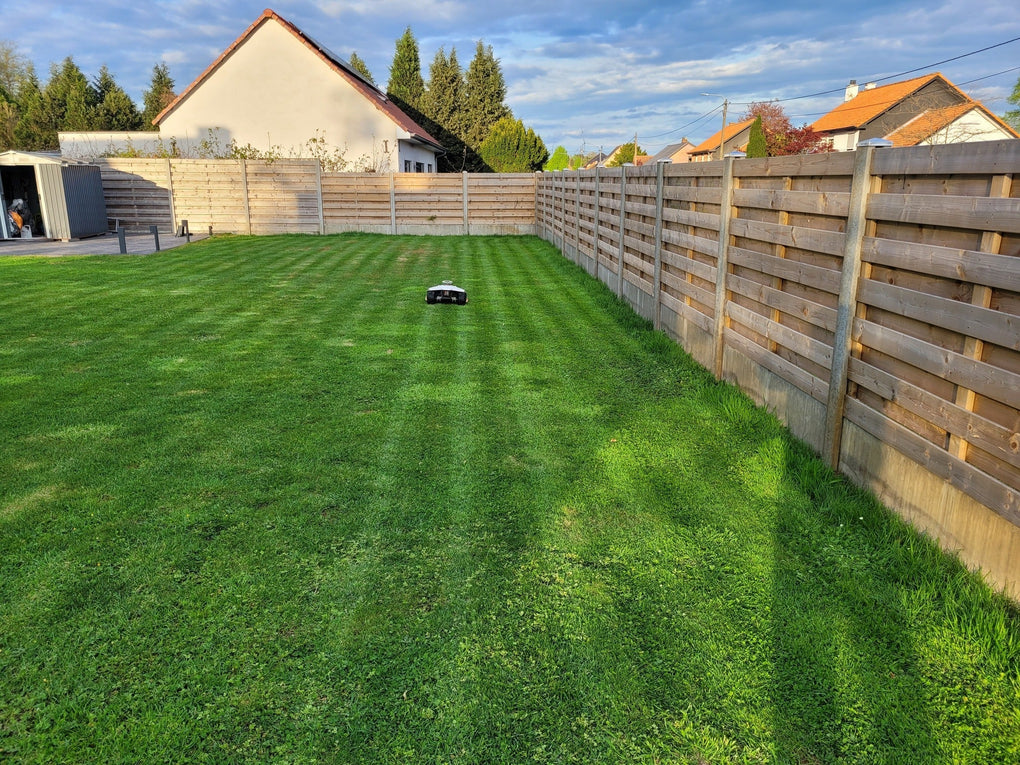
The main challenge is maintaining consistency. Keeping up with frequent mowing is difficult using traditional mowers, especially during busy summer periods — which is why more Australian homeowners are turning to robotic mowing. By automating light, regular cuts, robotic mowers help maintain ideal lawn conditions all season long.
How Robot Lawn Mowers Support Healthier Summer Lawns
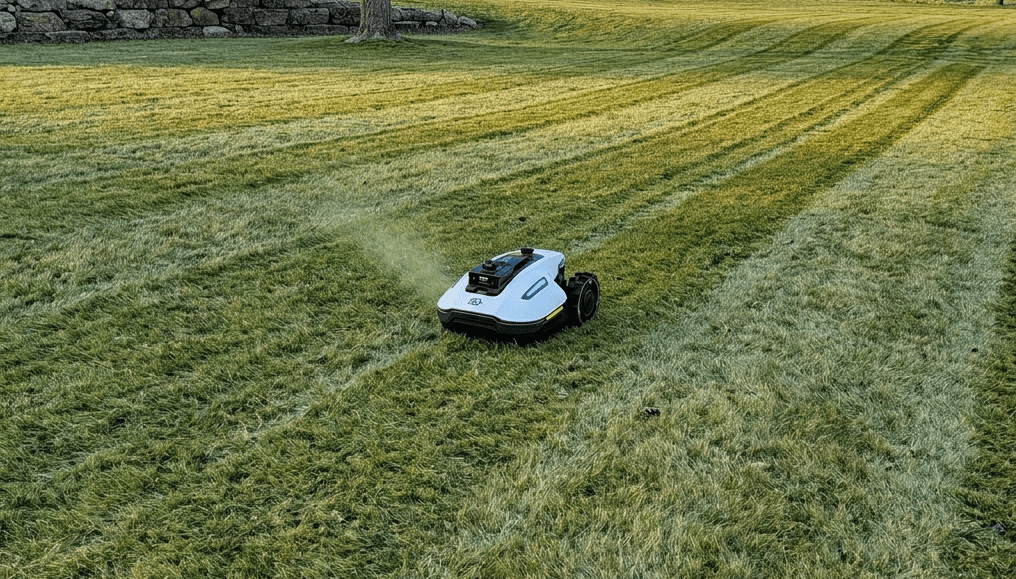
Robot lawn mowers aren’t just about convenience — they actively support better lawn health during Australia’s most demanding season. By removing common mowing mistakes and maintaining consistency, they align perfectly with what summer lawns actually need.

Key advantages of robotic mowing in summer include:
1. Consistent, Light Mowing
Robotic mowers cut frequently and remove only small amounts of grass at a time, helping lawns stay within the ideal height range without stress.
2. Reduced Heat and Moisture Stress
Regular mowing maintains soil shade, improves moisture retention, and avoids the shock caused by heavy cuts during hot weather.
3. Healthier, Denser Turf
Frequent trimming encourages lateral growth, resulting in thicker turf that resists weeds and copes better with heat.
4. Natural Mulching
Fine clippings are returned to the lawn, breaking down quickly and feeding the soil without additional effort.
5. Lower Risk of User Error
Automated schedules eliminate scalping, missed weeks, and catch-up mowing — some of the biggest causes of summer lawn damage.
How to Choose the Right Mammotion Robot Lawn Mower
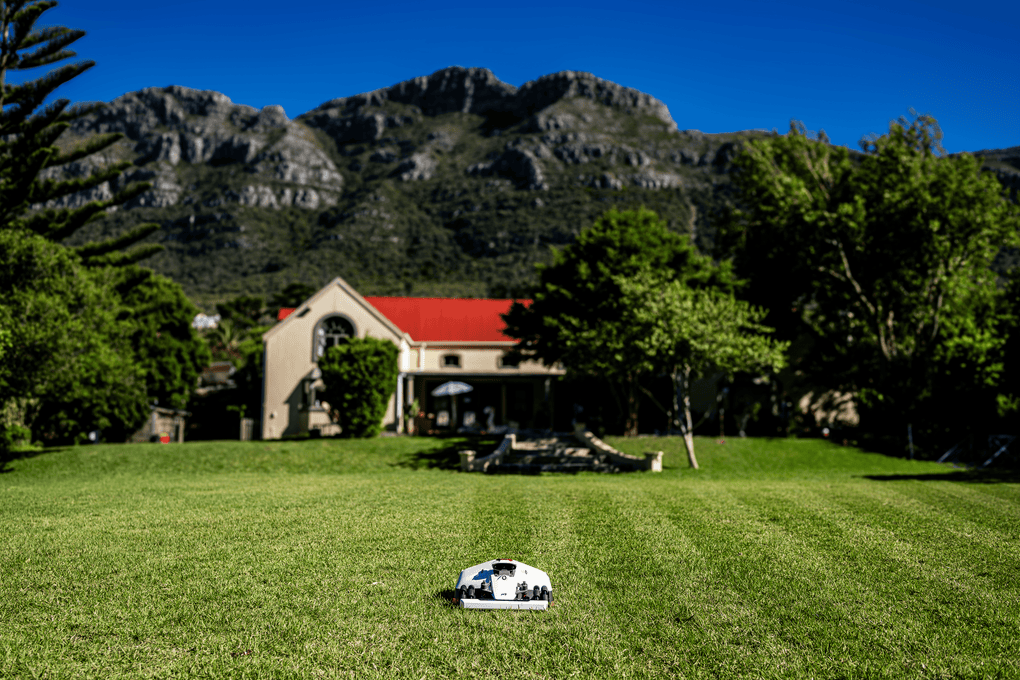
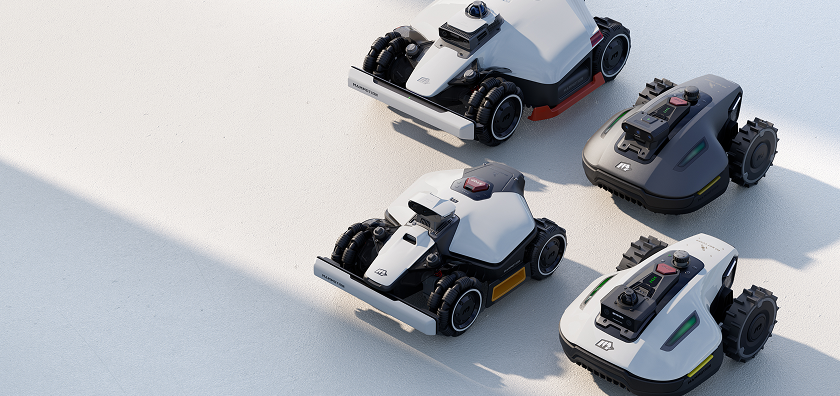
Mammotion offers robotic lawn mowers designed for different Australian lawn sizes and conditions:
LUBA 2 AWD — Ideal for large lawns and complex properties. It's all-wheel drive handles slopes, uneven terrain, and challenging layouts with ease.
YUKA - Ideal for medium to large lawns, its dual-function mowing and sweeping design makes lawn care easier than ever.
LUBA mini AWD — Perfect for smaller but uneven or sloped lawns, offering strong traction and precision mowing in tighter spaces.
YUKA mini — Best suited for compact lawns where value, simplicity, and efficient summer maintenance are the priority.
With the right robotic mower, maintaining a healthy summer lawn becomes less about effort — and more about smart, consistent care.
Watering, Feeding & Mowing — How They Work Together in Summer
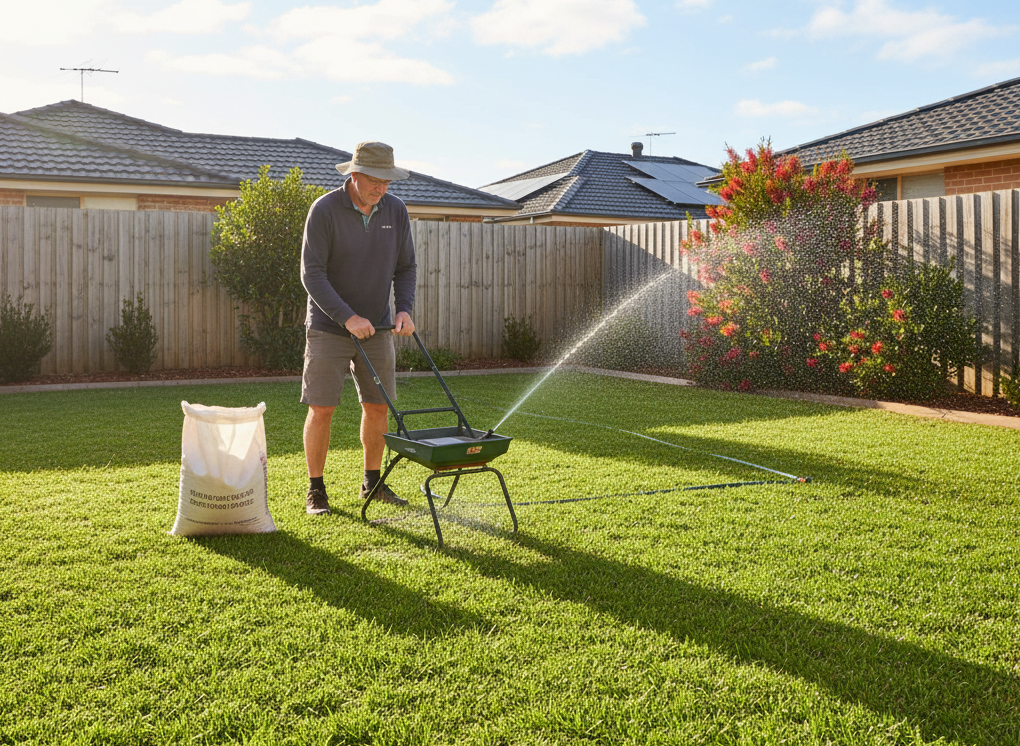
Summer lawn health depends on more than just mowing — watering and feeding are equally important. When done correctly, these three practices work together to reduce stress and keep your lawn green and resilient.
Key considerations for summer lawn care:
1. Water Deeply, Not Frequently
Deep watering encourages strong root growth, allowing grass to access moisture even during dry spells. Frequent shallow watering can leave roots weak and surface-dependent. Early morning or late afternoon watering reduces evaporation and protects against fungal issues.
2. Feed at the Right Time
Slow-release fertilisers applied during cooler parts of the day support steady growth without burning the lawn. Nutrients are most effective when the lawn is actively growing, and mulching clippings from frequent mowing can also return valuable nutrients to the soil.
3. Mow Consistently
Frequent, light mowing maintains an even height, reduces heat stress, and encourages dense turf. This works best when coordinated with watering and feeding schedules.
How robotic mowers fit in:
Automated mowers make it easier to maintain consistent mowing schedules, which complements watering and fertilising efforts. By keeping the lawn at an optimal height daily, robotic mowers improve moisture retention, reduce stress during heatwaves, and enhance the effectiveness of fertilisers.
Combining smart watering, proper feeding, and frequent mowing creates a healthier, more resilient lawn capable of withstanding even the hottest Australian summers — with less effort and better results.
Summer Lawn Care Checklist (Quick Reference)
Keep your Australian lawn healthy and stress-free this summer by following these key steps:
- ✅ Raise mowing height – protect roots and shade soil during heatwaves.
- ✅ Never remove more than one-third of the grass blade – follow the one-third rule to avoid shock.
- ✅ Mow frequently – light, regular cuts promote dense, healthy turf.
- ✅ Water deeply and early – morning or late afternoon watering reduces evaporation and strengthens roots.
- ✅ Use slow-release fertiliser – supports steady growth and helps the lawn recover from heat stress.
- ✅ Mulch clippings – returns nutrients to the soil naturally.
- ✅ Avoid mowing in the heat of the day – prevents additional stress and moisture loss.
- ✅ Check grass type – adjust care for couch, buffalo, or kikuyu lawns.
- ✅ Use robotic mowing where possible – ensures consistency, reduces human error, and keeps the lawn at optimal height automatically.
Following this checklist ensures your lawn stays greener, thicker, and more resilient throughout the summer months, with less effort and fewer mistakes.
Conclusion: Smarter Lawn Care for a Healthier Summer
Summer in Australia can be harsh on lawns, but with the right approach, you can keep your grass green, dense, and resilient. The key is consistent, smart care: mowing frequently and lightly, following the one-third rule, watering deeply, and feeding at the right time. Avoid common mistakes like cutting too short, letting the grass grow too long, or performing drastic trims all at once, and your lawn will be much better equipped to handle heat stress.
For homeowners looking to simplify summer maintenance, robotic lawn mowers provide an effective solution. By integrating smart watering, feeding, and mowing practices, and leveraging robotic mowing technology where suitable, maintaining a lush, healthy lawn in the hottest months becomes not only achievable but also much easier.
Did you like this article? Add us as a preferred source to find us more easily on Google.